
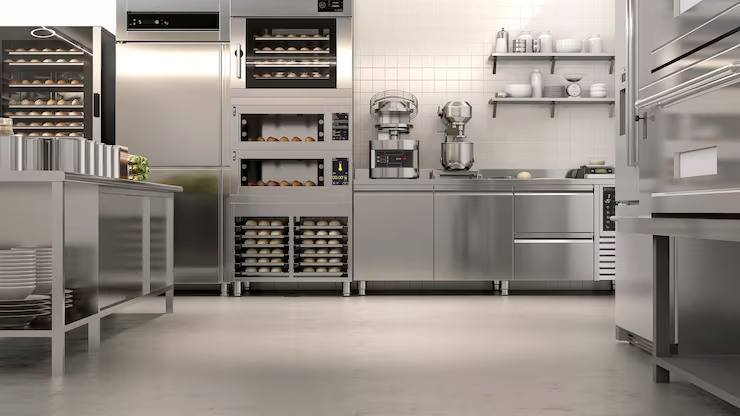
If you manage a commercial kitchen, you don’t need to be reminded that cleaning is constant. It happens between prep and service. Between dish cycles. Between inspections. Between shifts.
Without a defined Commercial Kitchen Cleaning Checklist, sanitation becomes reactive instead of controlled. Tasks get completed, but not always consistently. Equipment gets cleaned, but not always deeply. Staff work hard, but not always with documented accountability.
At American Energy Restaurant Equipment, we work with restaurant owners, operations managers, and foodservice directors who rely on their equipment to support daily sanitation standards.
One pattern shows up repeatedly: when cleaning routines are unclear, warewashing systems get overloaded. When warewashing systems underperform, cleaning routines fall apart.
This guide is designed for operators who want clarity.
You’ll find a complete breakdown of what a Commercial Kitchen Cleaning Checklist should include, how to structure daily, weekly, and monthly tasks, and how to identify when sanitation challenges are actually equipment capacity issues.
What Makes a Good Commercial Kitchen Cleaning Checklist?
A good Commercial Kitchen Cleaning Checklist is not just a list of tasks.
It is a structured system that reflects how your kitchen actually operates.
A strong checklist clearly defines what needs to be cleaned, when it needs to be cleaned, how it must be cleaned, and who is accountable for completing it. Without those four elements, even experienced teams fall into inconsistent routines.
In a high-volume commercial kitchen, cleaning cannot depend on memory or good intentions. Production pace is too fast. Staff rotations change. Peak hours create pressure. Small tasks get postponed.
A good checklist anticipates that reality. It separates daily, weekly, and monthly responsibilities so that high-risk food-contact surfaces are never delayed, while deep maintenance tasks are scheduled before buildup becomes a problem.
It also aligns with health department requirements. That means it supports documentation, temperature verification, chemical concentration checks, and sign-off procedures.
Most importantly, a good Commercial Kitchen Cleaning Checklist works in coordination with your equipment capacity.
If your warewashing station cannot process dish volume efficiently, your checklist will expose that strain. If grease accumulates faster than your ventilation cleaning schedule anticipates, that pattern becomes visible.
Why Daily, Weekly and Monthly Cleaning Must Be Separated
Not all cleaning tasks carry the same urgency.
Daily cleaning focuses on direct food-contact surfaces and high-risk contamination points.
Weekly cleaning addresses grease film, equipment buildup, and storage organization that daily wipe-downs do not fully resolve.
Monthly cleaning targets ventilation systems, internal equipment components, and hidden zones where bacteria and grease accumulate gradually.
When these layers are not separated, kitchens either over-clean low-risk areas or under-clean critical ones.
How Cleaning Structure Impacts Operational Costs
In foodservice, sanitation is tied directly to cost control.
If dishes are not sanitized properly the first time, they get rewashed. That increases water usage, energy consumption, labor hours, and chemical spend.
If grease accumulates in hood systems, airflow decreases and HVAC systems work harder.
If refrigeration seals are not cleaned and maintained, compressors run longer to maintain temperature.
Cleaning structure protects margins.
This is where warewashing performance becomes central.
When a commercial dishwasher is undersized for your output, staff compensate. When rinse temperatures fluctuate, sanitization becomes uncertain. When chemical dispensers are inconsistent, compliance risks increase.
Many operators initially treat these as cleaning problems. Often, they are capacity problems.
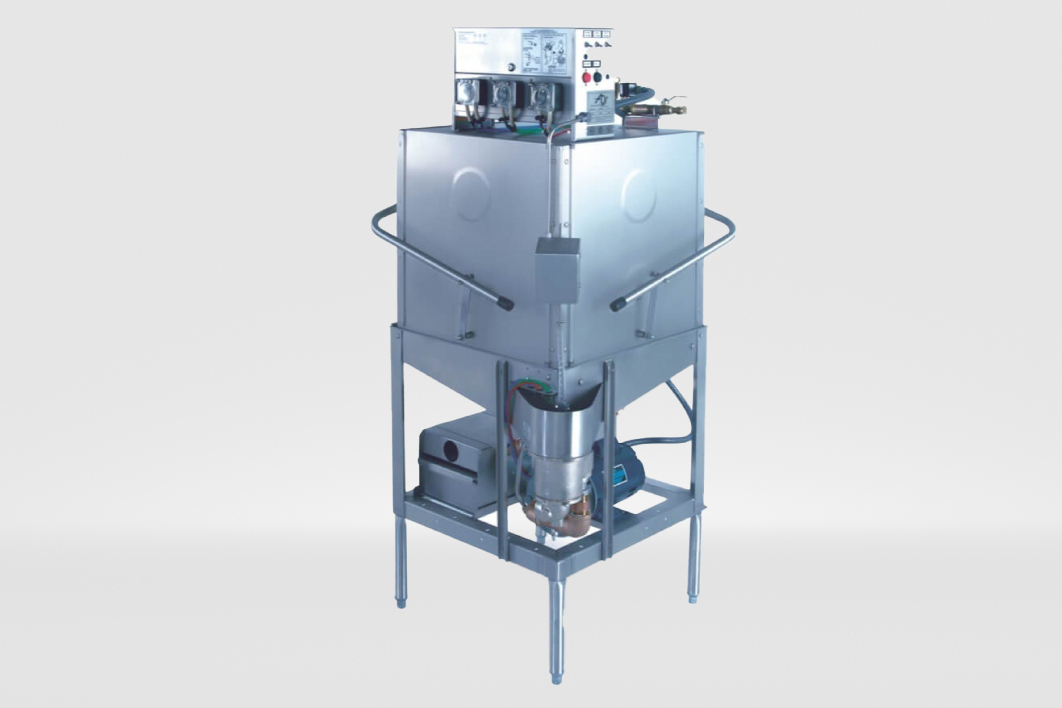
At American Energy Restaurant Equipment, we frequently evaluate kitchens where sanitation routines are solid, but equipment throughput cannot keep up with production volume. Upgrading or leasing energy-efficient commercial dish machines often resolves persistent cleaning bottlenecks.
A checklist helps you identify whether your issue is procedural or mechanical.
Daily Commercial Kitchen Cleaning Checklist
Daily tasks focus on food safety, cross-contamination prevention, and operational readiness for the next shift.
These must be completed every day without exception.
Food Preparation Areas
- Clean and sanitize all prep tables
- Wash, rinse, and sanitize cutting boards
- Sanitize knives and utensils
- Clean slicers, mixers, and small appliances
- Wipe scales and measuring equipment
Proper sanitizing requires correct chemical concentration and contact time. Skipping either step reduces effectiveness.
Cooking Equipment
- Clean grill surfaces
- Wipe ranges and cooktops
- Filter fryer oil
- Remove food debris from ovens
- Clean microwave interiors
- Sanitize control knobs and handles
Grease buildup affects both safety and equipment performance.
Warewashing Station
- Clean sinks and compartments
- Inspect dishwasher spray arms
- Verify rinse temperature meets sanitation standards
- Check detergent and sanitizer levels
- Clean scrap trays
- Sanitize dish racks
If your warewashing station consistently falls behind during peak service, or if dishes require rewashing, it may indicate that your commercial dish machine is not sized correctly for your operation. Evaluating throughput capacity can significantly improve daily sanitation flow.
Floors and Drains
- Sweep entire kitchen floor
- Mop using degreasing solution
- Clean accessible areas under equipment
- Inspect and clear floor drains
Blocked drains increase contamination risk and pest attraction.
Refrigeration (External Surfaces)
- Wipe handles
- Clean door exteriors
- Inspect and clean gaskets
Damaged or dirty seals affect temperature control and energy usage.
Trash and Waste Areas
- Empty all bins
- Replace liners
- Sanitize containers
- Clean lids
- Inspect waste holding areas
Weekly Commercial Kitchen Cleaning Checklist
Weekly cleaning is where many kitchens begin to lose control.
Daily tasks handle surface sanitation. Weekly tasks address accumulation.
Grease film, refrigeration residue, storage buildup, and early ventilation blockage rarely create immediate problems. They create gradual ones. When ignored, they shorten equipment lifespan and increase energy consumption.
Deep Clean Cooking Equipment
- Degrease range exteriors and sides
- Clean behind fryers
- Detail-clean oven interiors
- Remove and soak removable components
- Descale steam equipment if needed
Grease accumulation affects burner efficiency and heat distribution. Over time, that increases gas or electric usage.
If equipment performance seems inconsistent, weekly cleaning logs can help determine whether buildup is contributing to the issue.
Refrigeration Units (Interior Cleaning)
- Remove and clean shelving
- Discard expired or improperly stored items
- Clean interior walls
- Inspect and clean door gaskets
- Verify temperature calibration
Dirty gaskets compromise seals. When seals fail, compressors work harder. That increases utility costs and shortens equipment lifespan.
Weekly inspections help you catch these issues before they become maintenance calls.
Walk-In Coolers and Freezers
- Sweep and mop floors
- Clean shelving supports
- Inspect corners and ceiling joints
- Check for condensation buildup
Moisture accumulation inside walk-ins creates mold risk and structural wear. Early detection protects inventory and compliance.
Storage Areas (Dry and Chemical)
- Organize dry storage shelving
- Clean shelf surfaces
- Verify food is stored off the floor
- Inspect for pest activity
- Confirm chemical containers are sealed and labeled
Improper storage practices are common inspection violations. Weekly review prevents small issues from becoming documented citations.
Walls, Backsplashes and High-Touch Surfaces
- Wash tiled walls
- Clean behind prep stations
- Wipe down splash zones near sinks
- Sanitize frequently touched switches and panels
These areas accumulate grease vapor and fine residue that daily wipe-downs often miss.
How Weekly Cleaning Reveals Operational Gaps
When weekly cleaning feels overwhelming, it often indicates one of three issues.
The daily checklist may not be thorough enough.
Staffing levels may not align with production volume.
Equipment capacity may be insufficient.
For example, if grease buildup is excessive around the warewashing area, it may indicate that the dishwasher is cycling inefficiently, causing longer open-door periods and higher humidity.
If dishes stack up before being processed, workflow design or machine throughput may need evaluation.
At American Energy Restaurant Equipment, many clients discover during sanitation audits that their warewashing equipment is undersized for peak demand. Upgrading to a higher-capacity commercial dish machine often reduces weekly cleaning strain and labor pressure.
Weekly logs help you identify patterns instead of reacting to symptoms.
Monthly Commercial Kitchen Cleaning Checklist
Monthly cleaning focuses on infrastructure.
These are not cosmetic tasks. They are risk management tasks.
They protect ventilation systems, fire safety compliance, and long-term equipment reliability.
Exhaust Hood and Ventilation System
- Remove and deep clean hood filters
- Inspect duct openings
- Check for grease accumulation
- Verify airflow performance
Grease buildup in ventilation systems is one of the leading causes of commercial kitchen fires.
If filters are heavily coated each month, airflow may be inadequate or cooking volume may have increased beyond current system capacity.
Behind and Under Heavy Equipment
- Move accessible equipment safely
- Clean beneath refrigeration units
- Remove debris under prep tables
- Inspect utility connections
Hidden debris attracts pests and traps moisture.
Monthly access to these areas reduces long-term sanitation risks.
Dish Machine Deep Maintenance
- Inspect internal components
- Descale interior surfaces
- Check spray arm alignment
- Verify rinse temperature consistency
- Confirm chemical dispensing calibration
If your machine requires frequent descaling, your water hardness level may be affecting performance.
If rinse temperatures fluctuate, sanitization compliance becomes inconsistent.
Monthly maintenance logs help determine whether your commercial dishwasher is performing within specification or nearing replacement needs.
Ice Machines
- Clean and sanitize interior bins
- Inspect water lines
- Remove scale buildup
Ice is considered food by health departments. Neglecting ice machine sanitation is a common citation.
Ceiling Vents and Light Fixtures
- Clean air vents
- Wipe light covers
- Remove dust accumulation
Airborne dust eventually settles onto food prep surfaces.
Preparing for Health Inspections
Inspectors typically evaluate:
- Food-contact surface sanitation
- Proper warewashing temperatures
- Chemical concentration accuracy
- Refrigeration temperatures
- Pest prevention
- Grease management
- Documentation records
If cleaning tasks are documented consistently, inspections become verification exercises instead of high-stress events.
When Cleaning Challenges Indicate Equipment Upgrades
Some warning signs suggest that sanitation problems are not procedural.
- Persistent rewashing of dishes.
- Cloudy glassware despite correct detergent use.
- Inconsistent rinse temperatures.
- Long dish cycle queues during peak hours.
- Excessive labor assigned to dish area recovery.
These issues often indicate that your warewashing system no longer matches production demand.
At American Energy Restaurant Equipment, we work with operators evaluating whether to repair, replace, or lease commercial dish machines.
In many cases, upgrading to an energy-efficient model reduces water consumption, shortens cycle time, and lowers labor costs simultaneously.
A cleaning checklist provides operational data that supports smarter equipment decisions.
How to Audit Your Current Cleaning System
Start by reviewing documentation from the past 30 days.
- Are weekly and monthly tasks consistently completed?
- Do recurring sanitation issues appear in the same zones?
- Are warewashing bottlenecks documented during peak service?
- Are chemical concentrations logged?
- Is water temperature verified daily?
If documentation is incomplete, that is your first improvement opportunity.
If documentation is consistent but issues persist, equipment capacity should be evaluated.
Connecting Sanitation to Energy Efficiency
Modern commercial dish machines use less water per rack and maintain more consistent rinse temperatures.
If your cleaning checklist reveals frequent rewashing or extended cycles, your utility costs are likely higher than necessary.
Evaluating energy-efficient warewashing equipment through American Energy Restaurant Equipment can reduce operational strain while improving sanitation consistency.
Take Control of Your Kitchen’s Cleaning System
If dishes are being rewashed, peak hours create bottlenecks, or grease buildup feels constant, your equipment may no longer match your operational demand.
We help you evaluate your current warewashing setup. We review throughput capacity, water efficiency, cycle performance, and sanitation consistency.
We provide commercial dish machines, energy-efficient warewashing systems, and professional-grade equipment designed to support high-volume kitchens and consistent cleaning standards.
Whether you are upgrading, replacing, or exploring leasing options, we guide you through the process with solutions built for long-term performance.
Contact us today! Let’s review your operation, assess your equipment, and align your cleaning system with the demands of your kitchen.